Cooch Behar Palace & Museum
- Location- Long: 88°10’25” E, Latitude: 24°01’15” N
- Locality-Cooch Behar
- Dis- Cooch Behar
- Gazette Notification No. S.O. 1367 dated the 20th March, 1982
Brief Description
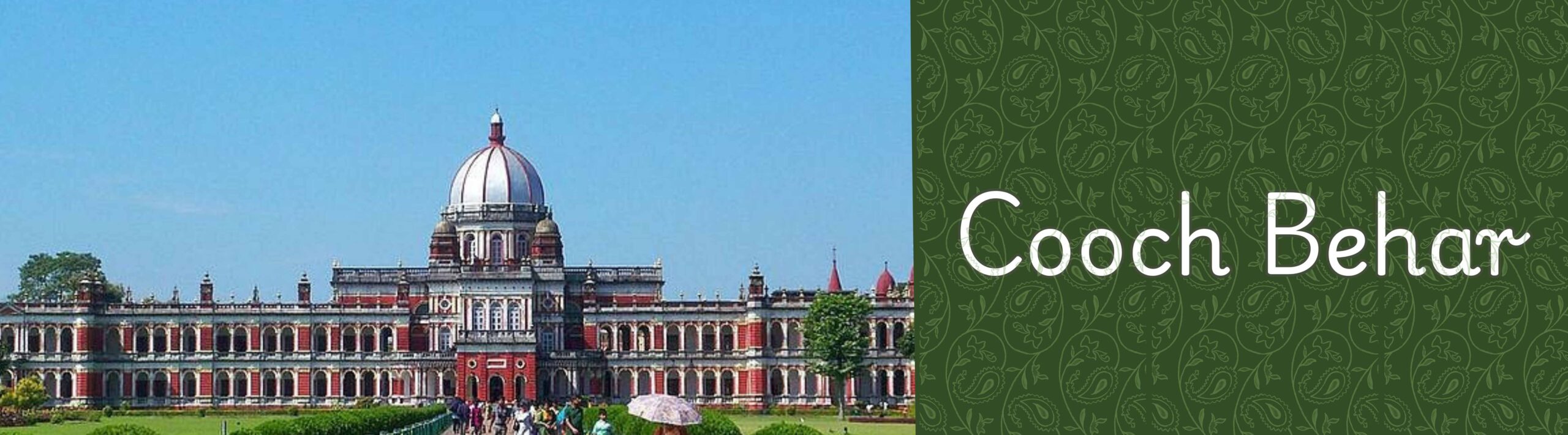
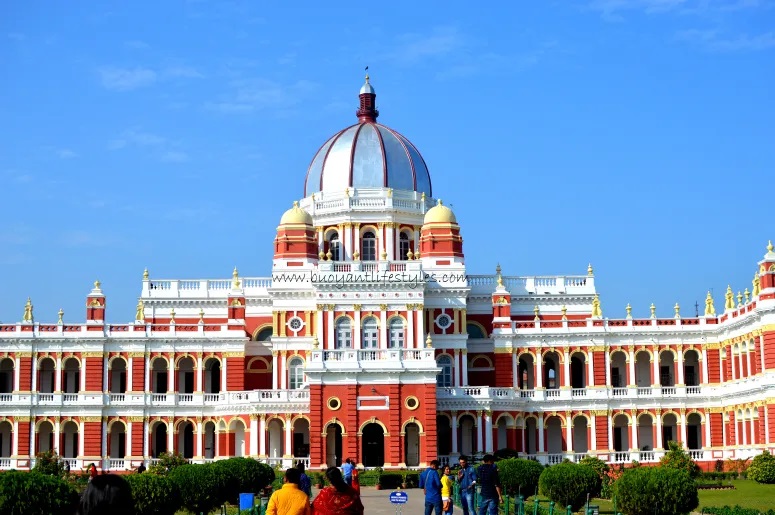
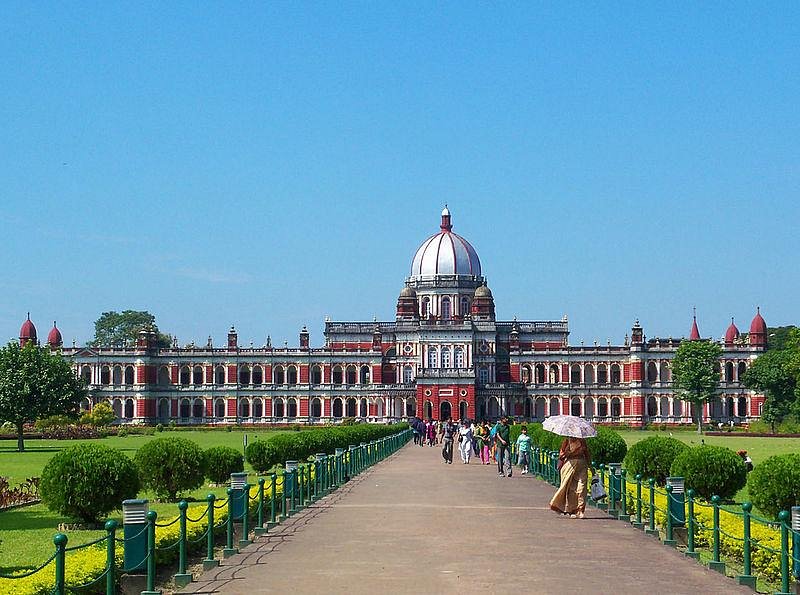
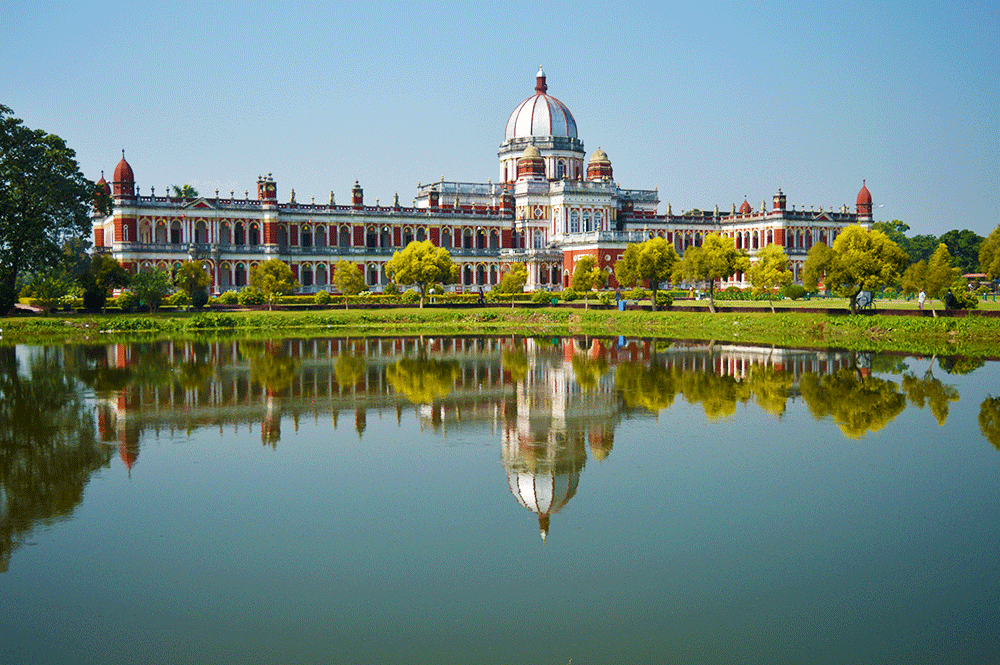
Cooch Behar Palace, also called the Victor Jubilee Palace, is a landmark in Cooch Behar city, West Bengal. It was modeled after the Buckingham Palace in London in 1887, during the reign of Maharaja Nripendra Narayan of Koch dynasty. The Cooch Behar Palace is noted for its elegance and grandeur It is a brick-built double-story structure in the classical Western style covering an area of 51,309 square feet (4,766.8 m2). The whole structure is 395 feet (120 m) long and 296 feet (90 m) wide and is on rests 4 feet 9 inches (1.45 m) above the ground. At the southern and northern ends, the Palace projects slightly and in the center is a projected porch providing an entrance to the Durbar Hall. The Hall has an elegantly shaped metal dome, it is 124 feet (38 m) high from the ground and is in the style of the Renaissance architecture. There are various halls in the palace and rooms that include the Dressing Room, Bed Room, Drawing Room, Dining Hall, Billiard Hall, Library, Toshakhana, Ladies Gallery and Vestibules. The original palace was 3 storied, but was subsequently destroyed by the 1897 Assam earthquake. The palace shows the acceptance of European idealism of the cooch kings and the fact that they had embraced European culture. It was converted into museum in 2002 and the objects belong to the Koch dynasty were displayed in the museum. In present time, 08 nos. of galleries are opened where arms, billiards, oil painting, sculptures, and ritual objects etc. have been exhibited for the visitors.
Photo Gallery
Rajpat Mound, Gosanimari
- Location- Long: 88°10’25” E,
- Latitude: 24°01’15” N
- Locality- Gosanimari
- Dis-Cooch Behar
- Gazette Notification No. S.O.2967 dated the 29th September, 1966
Brief Description
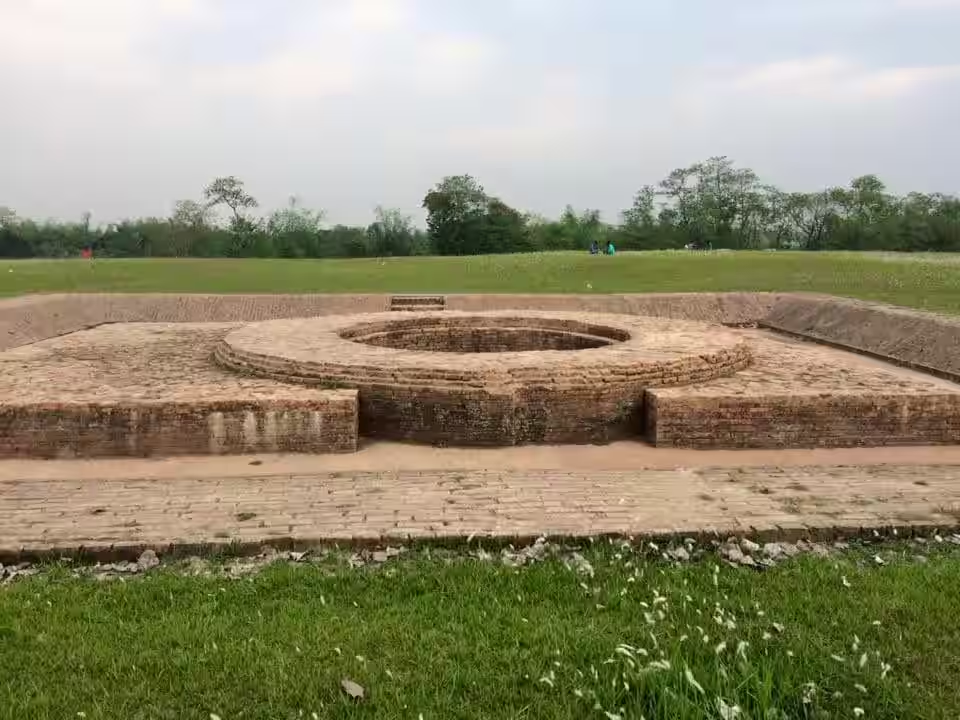
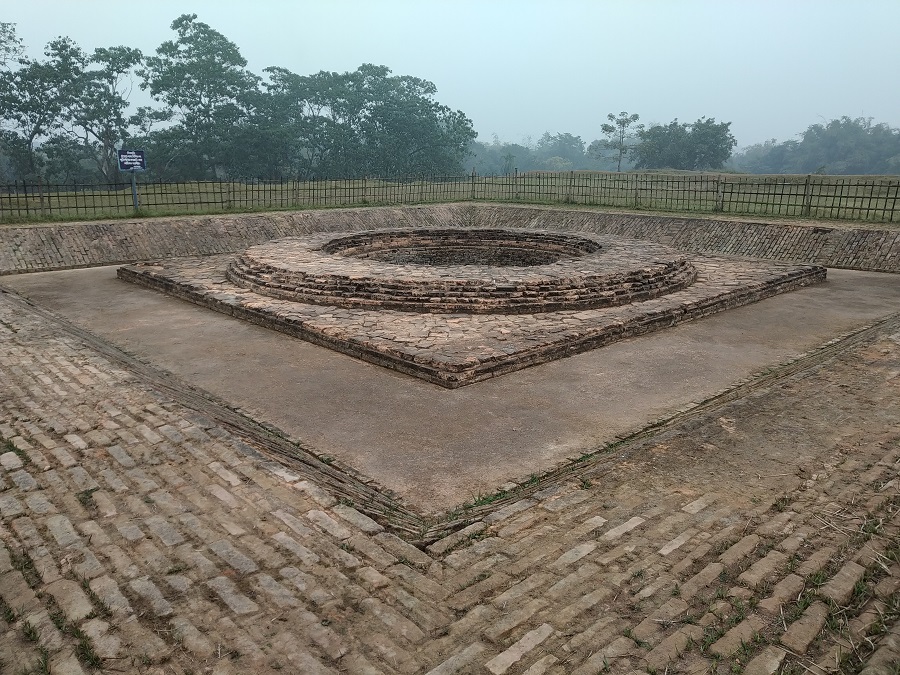
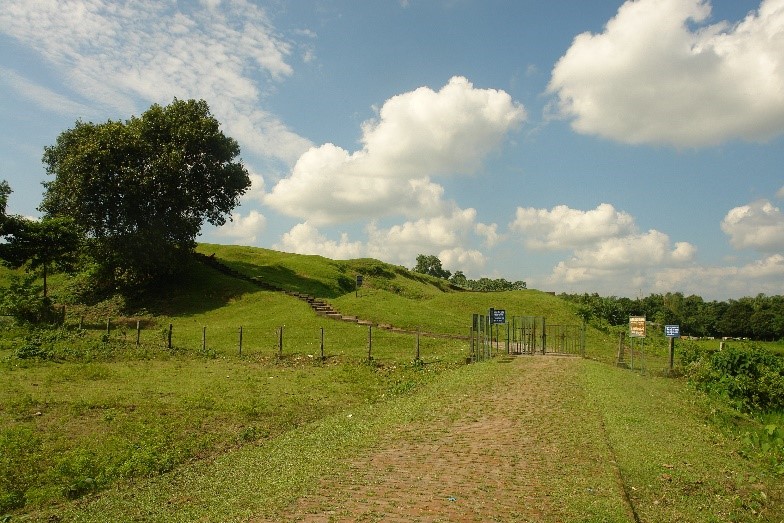
Gosanimari was the main center of the older Kamata Kingdom. Kamata kingdom became very powerful under the reign of kings of the Khen dynasty namely Niladhvaja, Chkradhvaja and Nilambar. Nilambar, the last king of Kamata Kingdom was a mighty King who built a vast Kingdom but he was defeated by Alauddin Hossein Shah, Sultan of Gouda in 1498 A.D. Now Gosanimari bears the Memories of the mighty Khen Kings of Kamata Kingdom. It contains ruins of ancient city of Kamatapur, capital of the Kamata kingdom. Later on, the Kamta kingdom passed at the hand of Maharaja Biswasingha of Koch kingdom. The Archaeological survey of India has carried out two successive excavations on the Gosanimari Rajpat mound in spanning over two seasons in 1998-1999 and 1999-2000 keeping in view its strategic location of historical importance and to establish scientifically cultural sequence of this area.
Photo Gallery